Korean BBQ in Seoul for First-Timers: How to Order, Cook, and Pay
Korean BBQ in Seoul is easier than it looks: choose a meat, confirm the minimum order, grill it yourself unless staff take over, eat it with side dishes or a lettuce wrap, and pay at the counter when you leave. Tipping is not expected.
The unfamiliar part is that the table has its own rhythm. Meat, banchan, sauces, stew, rice, and noodles may arrive at different times. This guide explains that rhythm so your first meal feels fun rather than confusing.
Planning a broader food list? Use our guide to what to eat in Seoul to choose dishes beyond barbecue.
Quick answer: how Korean BBQ in Seoul works
- Tell the host how many people are in your group.
- Order the required number of meat portions and any drinks.
- Let the staff light or prepare the grill.
- Cook the meat, or follow the staff if they grill it for you.
- Eat pieces plain, with sauce, or in a leaf wrap called ssam.
- Order rice, stew, noodles, or fried rice as a final course.
- Pay at the cashier unless the restaurant brings a card terminal to the table.
What meat should a first-timer order?
| Korean name | English | Flavor and texture | Good first choice? |
|---|---|---|---|
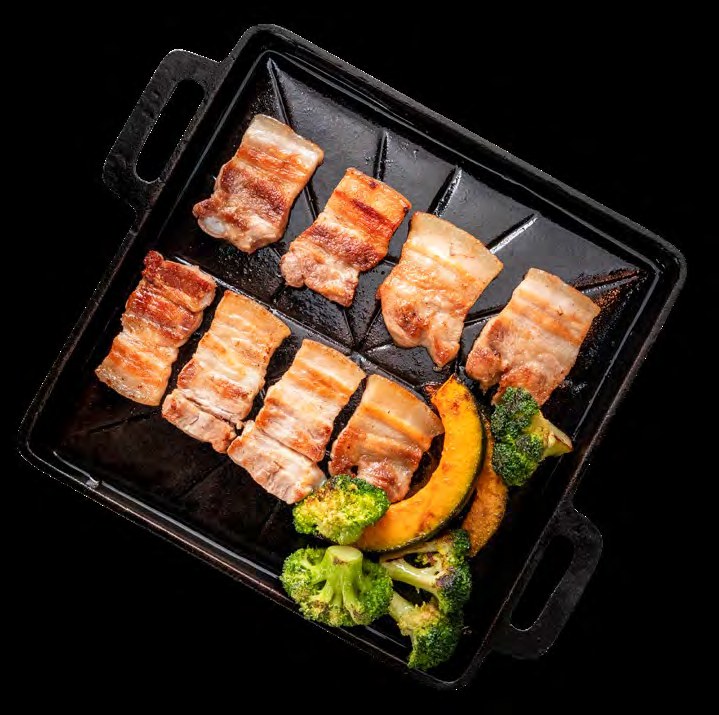
| Samgyeopsal | Pork belly | Rich, juicy, usually unmarinated | Yes—classic and easy |
| Moksal | Pork neck | Meaty, less fatty than pork belly | Yes |
| Galbi | Ribs | Often sweet-savory marinade | Yes, but price varies |
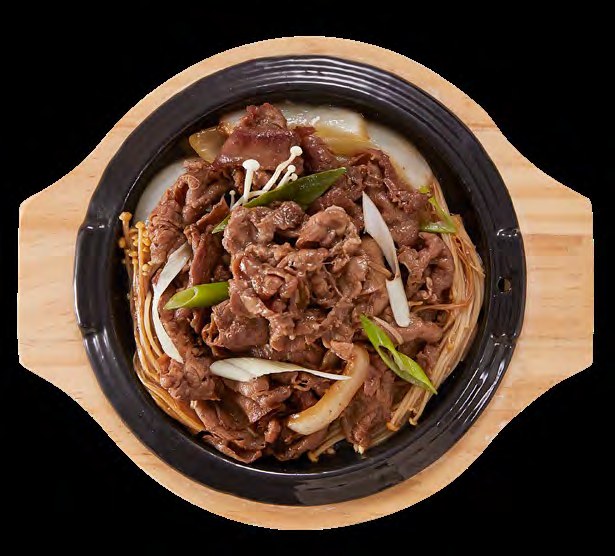
| Bulgogi | Thin marinated beef | Sweet, tender, familiar | Yes |
| Hanwoo | Korean beef | Premium beef with rich marbling | Best for a splurge |
On mobile, swipe left or right to view the full comparison table.
For two people, a comfortable first order is often two portions of one meat or one portion each of two cuts, if the menu allows mixing. Portion sizes and minimums are set by each restaurant, so read the line under the price. Some places require two portions for the first order.
How to read the menu
- 1인분: one serving. This does not always mean one serving will fully feed one person.
- 2인분 이상: minimum of two servings.
- 100g / 150g / 200g: weight of one listed portion.
- 국내산: domestically produced.
- 한우: Korean beef, normally priced above imported beef.
- 추가 주문: additional order.
Check whether the displayed amount is per portion or for a set. A set menu can be helpful for groups who want several cuts without making separate decisions.
Who cooks the meat?
It depends on the restaurant. At casual pork restaurants, guests often grill the meat. At some premium restaurants, staff cook each piece. If an employee places meat on the grill and stays nearby, let them lead. If they walk away after preparing the grill, you are usually expected to continue.
Use the tongs for raw meat and the scissors to cut it. Move cooked pieces to the edge of the grill so they stop cooking. Do not place cooked meat back into raw-meat juices. If the grill plate becomes black or smoky, ask for a change: bulpan bakkwo juseyo means “Please change the grill plate.”
How to make ssam
Place a small piece of meat on lettuce or a perilla leaf. Add a little ssamjang, garlic, kimchi, or green-onion salad, fold the leaf, and eat it in one bite. The Korea Tourism Organization notes that this one-bite style is the customary way to enjoy a wrap.
You do not have to wrap every piece. Taste the first one plain, then experiment with salt, sauces, and side dishes. There is no single mandatory combination.
Are the side dishes free?
Basic banchan and water are generally included, and refills do not normally cost extra. Some restaurants have a self-service station; others refill dishes when you ask. Premium or separately listed side dishes are charged, so distinguish the menu from the small plates already on the table.
What should you order after the meat?
- Doenjang-jjigae: soybean-paste stew, good with rice.
- Naengmyeon: cold noodles that balance rich meat.
- Bokkeumbap: fried rice cooked with remaining flavors; available only at some restaurants.
- Gonggitbap: a bowl of steamed rice.
Rice is not automatically included at every barbecue restaurant. If you want it with the meat, order it explicitly rather than waiting for it to appear.
How to call staff and pay
Look for a call button on or beside the table. Pressing it is normal, not rude. If utensils are missing, check the small drawer under the tabletop. When finished, take the bill or table number to the front counter. Most restaurants accept cards.
Do not add a tip. Official Korean tourism guidance says tipping is neither required nor expected. The price you see, plus any separately ordered items, is what you pay.
Solo diners, children, and dietary needs
Traditional barbecue can be awkward for solo diners because of minimum orders, but one-person grills and lunch sets are increasingly available. Search for honbap or “solo Korean BBQ.” Families should keep children away from the hot plate and the metal exhaust hood.
For allergies, halal diets, or strict vegetarian requirements, do not assume that side dishes are suitable: fish sauce, anchovy stock, sesame, soy, or shared cooking surfaces may be involved. Ask before ordering and consider restaurants specifically certified for the relevant need.
Uncle Choi’s tip
Do not order every side dish at the beginning. Start with meat, then decide whether the table needs stew, rice, or noodles. Korean barbecue is more satisfying when the final course matches how full you actually are.
Frequently asked questions
Can I ask the staff to cook?
You can ask, but service styles vary. Watch how nearby tables operate and follow the staff’s first move. Never adjust a charcoal burner yourself.
Is Korean BBQ always spicy?
No. Unmarinated pork or beef is not spicy, and many marinades are sweet-savory. Spicy sauces and side dishes can usually be controlled separately.
Will my clothes smell?
Possibly. Many restaurants have strong table ventilation and storage inside chairs or plastic bags for coats, but avoid wearing something difficult to wash.
Final recommendation
For a first Korean barbecue meal, order samgyeopsal or moksal, check the minimum quantity, and let the table develop slowly. Try one piece plain, one with sauce, and one as ssam. Finish with stew or noodles, pay at the counter, and leave the tip line blank.
Sources & last updated
- Korea Tourism Organization — About Korean Food and Korean BBQ
- Korea Tourism Organization — Sangcharim dining style
- Seoul Metropolitan Government / Seoul Tourism Organization, 2026 Seoul Guidebook
Last fact-checked: August 21, 2026. Menu prices and minimum orders vary by restaurant.