How Much Does a Trip to Seoul Cost? 2026 Budget Guide
A realistic Seoul travel budget is about KRW 85,000–150,000 per person per day, excluding flights, for a comfortable first trip. A careful budget traveler can spend around KRW 55,000–85,000, while a mid-range traveler who chooses a private room and one paid attraction most days should plan for KRW 150,000–260,000.
The biggest variable is accommodation. Food and public transportation remain comparatively easy to control, so you can adjust the total without turning the trip into a survival exercise.
Quick answer: Seoul daily budget by travel style
| Travel style | Daily total | Typical plan |
|---|---|---|
| Budget | KRW 55,000–85,000 | Hostel dorm, simple meals, public transit, mostly free sights |
| Comfortable | KRW 85,000–150,000 | Guesthouse or shared room, varied meals, transit, one paid activity |
| Mid-range | KRW 150,000–260,000 | Private hotel room, cafés, attractions, occasional taxi |
| Premium | KRW 300,000+ | Upscale hotel, fine dining, shopping, private transport |
On mobile, swipe left or right to view the full comparison table.
A practical 5-day Seoul budget
For five nights, a useful starting budget is KRW 425,000–750,000 per person before flights and shopping. That assumes public transportation, regular local restaurants, a modest room shared by two people, and a mix of free and paid attractions. Solo travelers should add more for lodging; families can often reduce the per-person room cost.
Accommodation: the largest expense
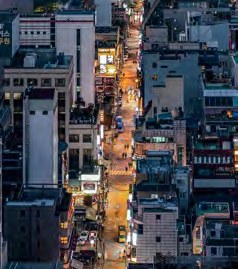
Accommodation prices change sharply by date, neighborhood, room size, and cancellation policy. Instead of relying on one “average hotel price,” compare the same dates in at least two areas. Myeongdong and Jongno are efficient for a short first trip; Hongdae works well for airport access and nightlife; Gangnam usually makes more sense when most of your plans are south of the river.
- Dorm or simple guesthouse: usually the lowest-cost option for solo travelers.
- Private budget room: check whether the bathroom is private and whether luggage storage is included.
- Mid-range hotel: compare the final price after taxes and breakfast, not only the search result headline.
Location can save both time and money. A cheaper room that requires two transfers every morning may cost less in cash but more in energy. For area-by-area advice, see our upcoming guide to the best areas to stay in Seoul.
Transportation: easy to estimate
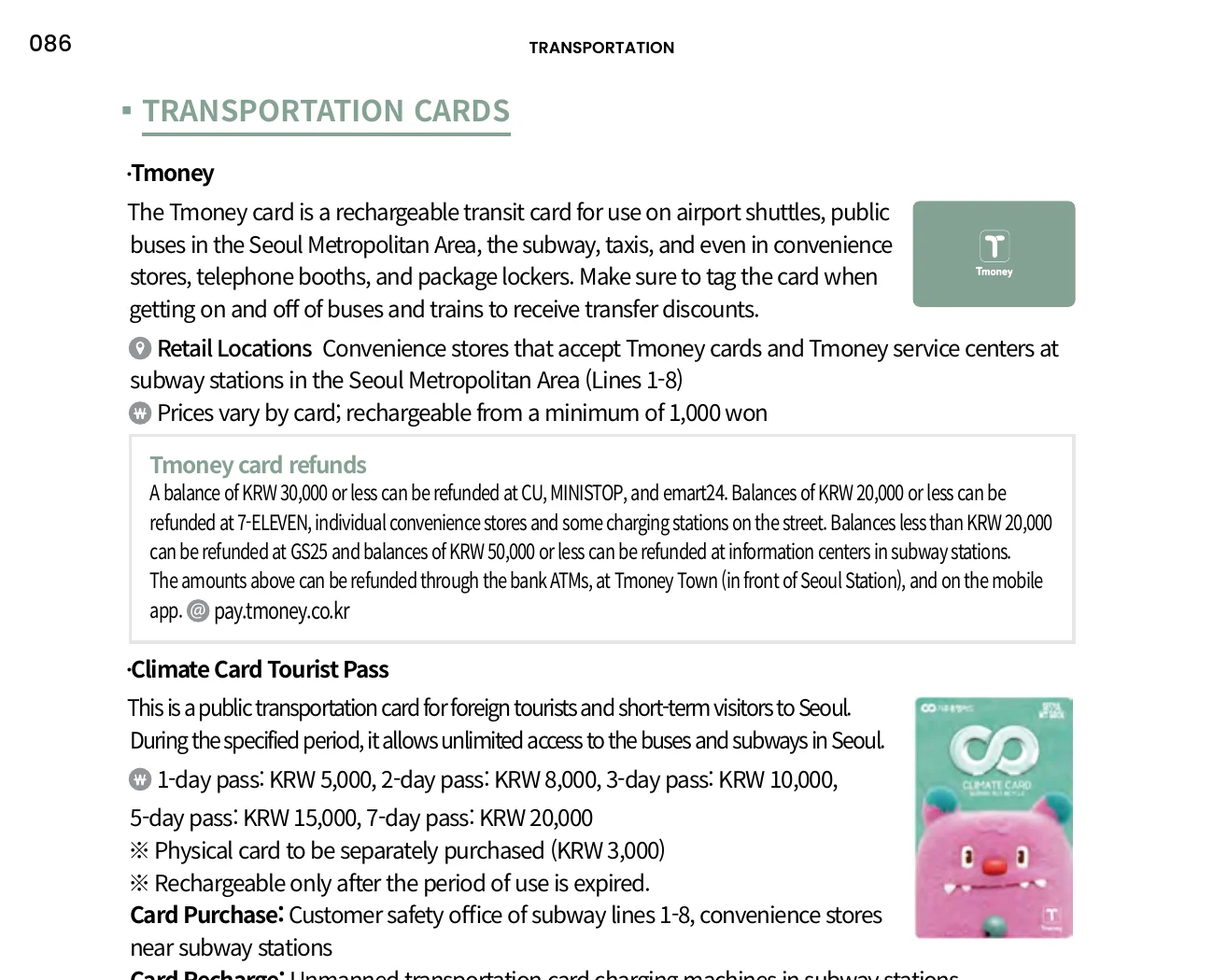
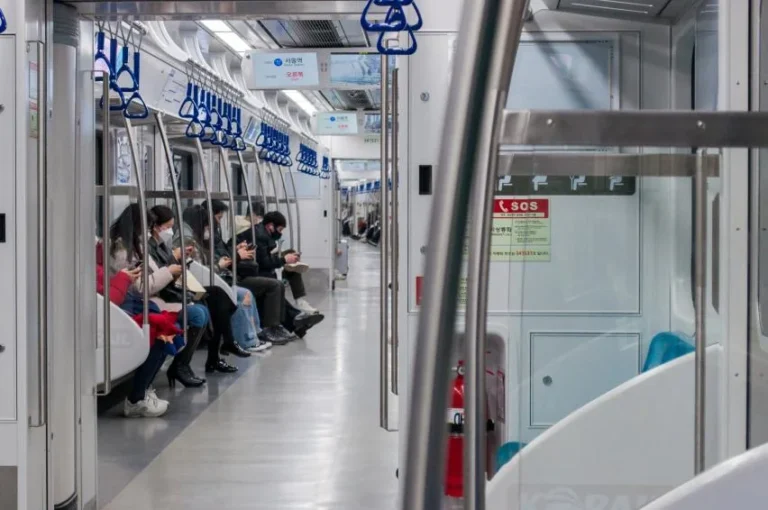
As of our August 21, 2026 fact-check, the adult subway base fare paid by transportation card is KRW 1,550. A single-journey subway ticket is KRW 1,650. Seoul’s transfer system calculates a base fare and adds distance charges when applicable, so tapping your card when you exit matters.
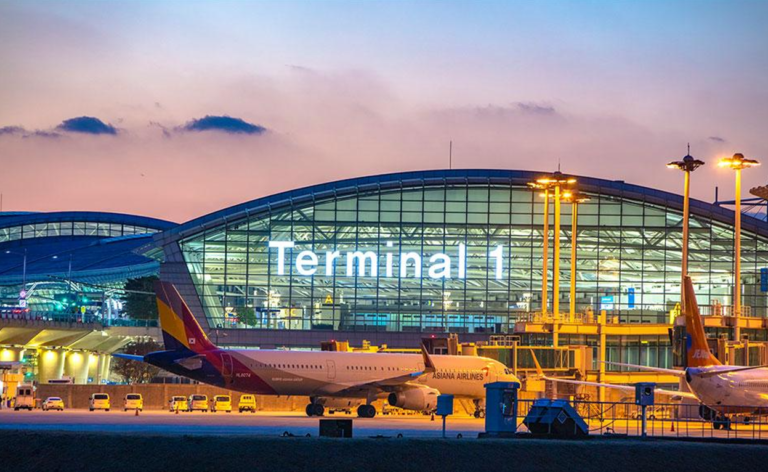
For most visitors, budgeting KRW 6,000–10,000 per day for subway and bus travel is sensible. Add a separate allowance for airport transportation. Compare the options in our Incheon Airport to Seoul guide.
Food: where a flexible budget works best
You do not need to eat convenience-store meals all day to save money. Mix one quick breakfast, a good-value lunch, and a more memorable dinner. Market snacks, gimbap, noodle dishes, and everyday Korean set meals can keep costs controlled; barbecue, premium beef, cocktails, and destination cafés raise the average quickly.
- Lean food budget: KRW 25,000–40,000 per day.
- Comfortable variety: KRW 45,000–75,000 per day.
- Food-focused trip: KRW 90,000+ per day.
These are planning estimates rather than regulated prices. Always check the posted menu before ordering, especially at seafood restaurants and barbecue venues where portions may be priced per person.
Attractions: many of Seoul’s best experiences are free
Walking through neighborhoods, relaxing in a Hangang park, visiting markets, and exploring many public spaces costs nothing. Major royal palaces are also inexpensive: official 2026 admission for adults is KRW 3,000 at both Gyeongbokgung and the main palace area of Changdeokgung. Changdeokgung’s Secret Garden is a separate ticket.
A good strategy is to choose one paid highlight per day, then build nearby free stops around it. Passes can save money only when their included attractions match your actual route; buying a pass and rushing across Seoul to “get value” often wastes time.
Three sample budgets
Solo backpacker
Dorm bed, subway, inexpensive meals, and mostly free attractions: plan around KRW 55,000–85,000 per day. Keep a separate emergency buffer for a taxi, medicine, or a last-minute booking.
Couple sharing a mid-range room
Shared hotel room, cafés, local restaurants, and one paid attraction: around KRW 150,000–230,000 per person per day is comfortable for many couples.
Family of four
Family rooms and taxis change the math. Start with KRW 450,000–750,000 per day for the group, then price the exact room and child admission rules. A private airport transfer can become practical when several people share the vehicle and have luggage.
Uncle Choi’s money-saving tips
- Stay near a subway station you will actually use, not simply any station.
- Group attractions by neighborhood to avoid crossing the city repeatedly.
- Use public transportation for routine trips and save taxis for late nights, luggage, or groups.
- Check whether your accommodation includes breakfast, laundry, and luggage storage.
- Carry a small contingency fund instead of budgeting to the last won.
Frequently asked questions
Is Seoul expensive for tourists?
Seoul can be moderate rather than expensive if you use the subway and eat a mix of everyday Korean meals. Hotels, nightlife, premium cafés, and shopping are the expenses most likely to push the total higher.
How much cash should I carry?
Cards are widely accepted, but carry some Korean won for markets, transportation-card top-ups, and small vendors. Do not keep your entire trip budget in cash.
Does the daily budget include flights?
No. The ranges in this guide exclude international flights, major shopping, and travel insurance because those costs differ greatly by country and booking date.
Final recommendation
For a first visit, use KRW 100,000–150,000 per person per day as a calm working budget after flights. Price your hotel first, add a daily food and transportation allowance, and keep shopping separate. That produces a more reliable plan than copying a single total from someone else’s trip.
Sources & last updated
- Seoul Metropolitan Government — Modes of Transport
- Royal Palaces and Tombs Center — Admission Fees
- Korea Tourism Organization — Money-saving Tips
- Seoul Metropolitan Government / Seoul Tourism Organization, 2026 Seoul Guidebook
Last fact-checked: August 21, 2026. Prices and exchange rates can change; verify bookable services before payment.