What to Eat in Seoul: 20 Must-Try Korean Foods
If you are wondering what to eat in Seoul, begin with a balanced list: one barbecue meal, one soup, one noodle dish, one market session, one home-style set meal, and a few snacks. You do not need to chase twenty famous restaurants to understand the city’s food.
These 20 foods cover classic flavors and different dining situations. Use the “best moment” notes to build them naturally into your itinerary.
Quick shortlist for a first trip
- One iconic meal: Korean barbecue
- One comforting soup: seolleongtang or samgyetang
- One market snack: bindaetteok or tteokbokki
- One easy solo meal: bibimbap or gimbap
- One modern Seoul experience: chimaek by the Hangang River
Grilled and shared dishes
1. Samgyeopsal
Thick pork belly grilled at the table and eaten with lettuce, perilla leaves, garlic, kimchi, and ssamjang. It is the easiest introduction to Korean barbecue culture. Read our first-timer Korean BBQ guide before you go.
2. Bulgogi
Thin beef marinated in a sweet-savory sauce. Bulgogi is gentle, familiar, and useful for diners who do not enjoy spicy food. It may be grilled or cooked in a shallow pan with vegetables.
3. Galbi
Beef or pork ribs, often marinated. Check whether the menu lists price per portion and whether a two-portion minimum applies. Choose this for a celebratory dinner rather than an automatic first-night order.
Rice and everyday meals
4. Bibimbap
Rice topped with vegetables, protein, egg, and sauce, then mixed. Add gochujang gradually. A hot stone dolsot version creates a crisp layer of rice at the bottom.
5. Baekban
A home-style set meal built around rice, soup, a main dish, and several side dishes. The Korea Tourism Organization describes this format as a backbone of everyday Korean dining. It is one of the best ways to taste variety without ordering many separate dishes.
6. Gimbap
Rice and fillings rolled in seaweed, sliced into bite-size pieces. Gimbap is portable and works for breakfast, train travel, or a picnic. It resembles sushi in shape but has its own seasoning and typical fillings.
Soups and stews
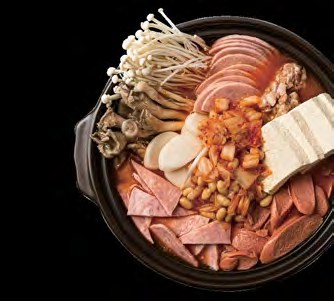
7. Kimchi-jjigae
A bubbling kimchi stew commonly cooked with pork or tuna. The flavor is sour, spicy, and deeply savory. It usually comes with rice and side dishes.
8. Sundubu-jjigae
Soft tofu stew served boiling hot, often with seafood, pork, or egg. Ask about the broth if you avoid meat or shellfish; a tofu-forward name does not guarantee a vegetarian dish.
9. Seolleongtang
Milky ox-bone soup with mild seasoning. Diners often add salt and green onion at the table. This is a restorative breakfast or cold-weather meal.
10. Samgyetang
A whole young chicken stuffed with rice and simmered with ginseng and aromatics. Koreans traditionally eat this steaming soup during the hottest summer period—“fighting heat with heat,” as the official Seoul guide explains.
Noodles
11. Naengmyeon
Cold, chewy noodles served in chilled broth or with a spicy mixed sauce. They are refreshing in summer and a traditional final course after barbecue. Cut them only if needed; try the texture first.
12. Kalguksu
Knife-cut wheat noodles in a warm broth. Namdaemun’s Kalguksu Alley is a classic place to encounter this filling, direct style of meal.
13. Jajangmyeon
Noodles in a dark black-bean sauce, a Korean-Chinese comfort food often associated with quick delivery. The sauce is savory and slightly sweet rather than spicy.
Market and street foods
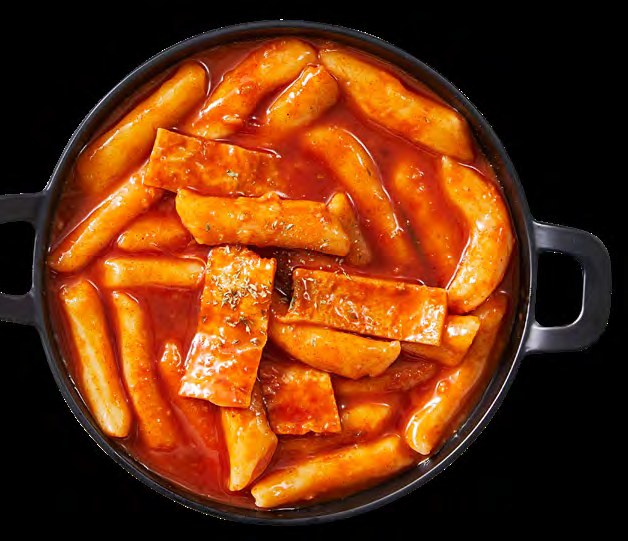
14. Tteokbokki
Chewy rice cakes in a red chili sauce. Heat levels vary. Order a small portion first and pair it with fish cake or fried snacks.
15. Bindaetteok
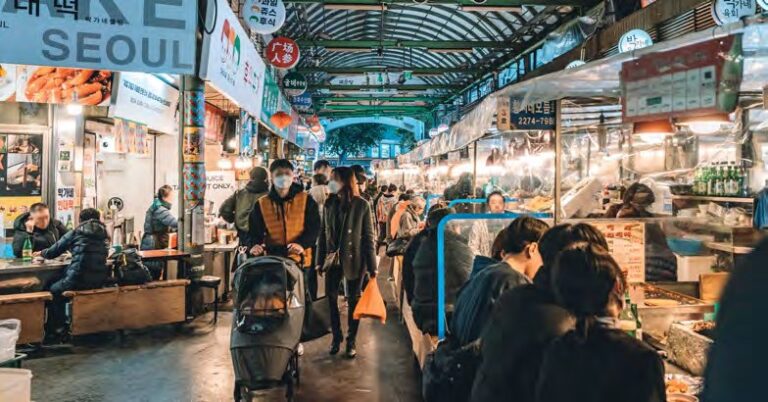
A crisp mung-bean pancake associated strongly with Gwangjang Market. It is rich and best shared, especially if you want to sample other stalls.
16. Mandu
Korean dumplings served steamed, boiled, or fried, with meat or vegetable fillings. A bowl of dumpling soup can become a complete winter meal.
17. Hotteok
A hot filled pancake, typically sweet with brown sugar and seeds, though savory versions exist. Eat carefully: the melted filling can be much hotter than the surface.
Modern favorites and desserts
18. Korean fried chicken
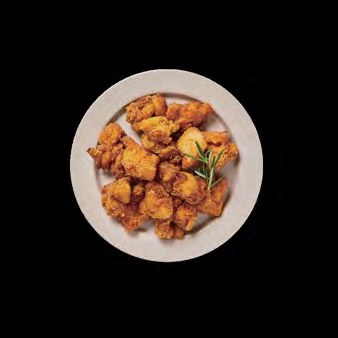
Order it plain, soy-garlic, spicy-sweet, or as a half-and-half box. Pairing chicken with beer is called chimaek; a Hangang sunset is the most memorable setting when weather and park rules allow.
19. Bingsu
Finely shaved ice with toppings such as red bean, fruit, or injeolmi. Portions are often designed for sharing. Do not assume every bingsu is small enough for one.
20. Bungeoppang
Fish-shaped pastry filled most commonly with sweet red bean or custard. It is a seasonal street snack, especially satisfying in winter, and its availability changes with weather and neighborhood.
How to fit these foods into a short trip
| Situation | Good choice |
|---|---|
| Fast breakfast | Gimbap or seolleongtang |
| Solo lunch | Bibimbap, kalguksu, or baekban |
| Group dinner | Samgyeopsal, galbi, or fried chicken |
| Market visit | Bindaetteok, tteokbokki, mandu |
| Dessert | Bingsu in summer; bungeoppang in winter |
Dietary and ordering notes
Ask about broth, sauces, and shared cooking surfaces if you have allergies or dietary restrictions. “Vegetable” dishes may use anchovy stock, fish sauce, or meat garnish. Pork is common, and shellfish can appear in kimchi or stew. Certified or specialist restaurants are the safer choice for strict halal, vegan, or allergen-controlled meals.
Tipping is not expected in ordinary Korean restaurants. Water and basic side-dish refills are usually included, though self-service stations are increasingly common.
Uncle Choi’s tip
Share market portions. One full plate of every famous snack will end your food tour after two stalls. A group of two or three can split dishes and learn much more about the market.
Frequently asked questions
Is all Korean food spicy?
No. Bulgogi, seolleongtang, gimbap, kalguksu, and many grilled meats are mild. Spicy sauces are often added separately, but ask when uncertain.
What is the easiest meal for a solo traveler?
Bibimbap, noodle soup, gimbap, and many baekban restaurants work well. Barbecue may have minimum orders, so look for lunch sets or one-person grill venues.
Final recommendation
Do not treat this as a checklist. Choose one food from each major group, revisit your favorites, and leave room for an unplanned meal. Seoul’s food culture is clearer when you experience how people eat—not only how many dishes you photograph.
Sources & last updated
- Visit Seoul — Five Dishes Every First-Time Visitor Should Know
- Korea Tourism Organization — About Korean Food
- Korea Tourism Organization — Baekban
- Seoul Metropolitan Government / Seoul Tourism Organization, 2026 Seoul Guidebook, food section
Last fact-checked: August 21, 2026. Menus, ingredients, and prices vary by restaurant.